
What are Gynae Cancers?
For many families, understanding gynae cancers starts with learning about their whakapapa and asking questions about family health history. These kōrero can empower women to seek screening and support.
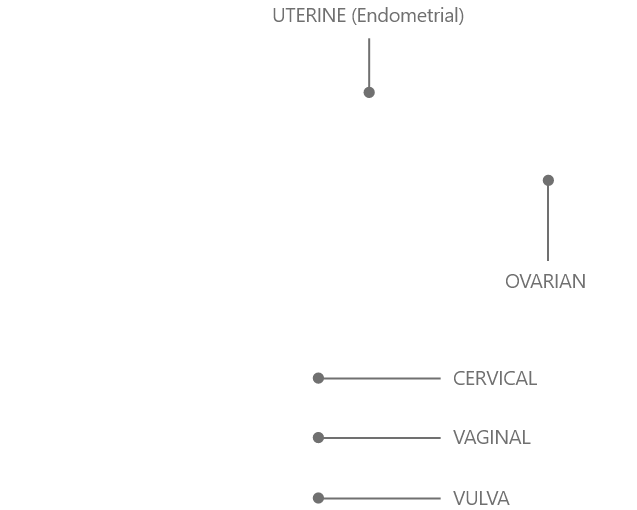
Gynae cancers start in a woman’s reproductive organs – ovaries, cervix, uterus (endometrium), vagina, and vulva.1


Early detection saves lives
but many symptoms are subtle or mistaken for normal changes.1
Knowing what to look for and when to act is the first step toward protecting yourself and your whānau.
START YOUR NEXT CONVERSATIONS WITH FAMILY, FRIENDS, OR YOUR HEALTHCARE PROFESSIONAL.
Download YOUR KŌRERO GUIDE HERE


Types of Gynae Cancers
There are FIVE types of gynae cancers that you should know about.1
Click on the headers below for an overview of each cancer.

About Cervical Cancer2,3
- Cervical cancer affects the cervix – the part of the body that connects the uterus (womb) to the vagina.
- Nearly all cases are caused by persistent infection with high-risk types of human papillomavirus (HPV).
Why Knowing Matters3
- Cervical cancer is largely preventable through HPV vaccination and cervical screening.
- The process from HPV infection to invasive cancer is slow, often taking many years, creating opportunities for early detection and prevention.
- HPV vaccination and regular cervical screening are among the most effective ways to prevent cervical cancer.
It is important to know that cervical screening only checks for cervical cancer, no screening is available for the other types of gynae cancers.3

About Ovarian Cancer
- Ovarian cancer begins in one or both ovaries, which produce eggs and female hormones, it can also start in the fallopian tubes and spread to the ovaries.2,5
- Ovarian cancer is most common after menopause but can occur at any age.4,5
Why Knowing Matters
- There are currently no reliable screening tests to detect ovarian cancer, meaning many cases are diagnosed late.4
- Māori and Pasifika women face a higher risk of ovarian cancer when compared with the general population.4,5
Early detection is vital in ovarian cancer – recognising symptoms and seeking prompt medical advice can improve outcomes.4,5

About Endometrial Cancer
- Endometrial cancer is the most common type of gynaecological cancer in Aotearoa New Zealand, with 95% of all cases affecting the endometrium (the inner lining of the uterus).2,6
- Most diagnoses occur in post-menopausal people, often in their 60s, though younger cases can happen when risk factors are present.6
Why Knowing Matters
- Like ovarian cancer, there is no general screening programme for endometrial cancer. Knowing the signs, symptoms and risk factors can help with early detection which alongside treatment is associated with improved outcomes later.6
Māori and Pasifika women are at greater risk of endometrial cancer, with rates two to six times higher than non-Māori, non-Pasifika women.6

About Vaginal Cancer
- Vaginal cancer is the least common type of gynaecological cancer in Aotearoa New Zealand, with an average of about 17 cases each year.7
- It affects the vagina – the muscular canal that connects the cervix to the outside of the body.2
Why Knowing Matters
- Most cancers found in the vagina are secondary (e.g. starting elsewhere rather than starting in the vagina itself), and like cervical cancer, is strongly linked with HPV.7
Primary vaginal cancer mostly affects older adults, with an average age of 60–70 years.7

About Vulval Cancer
- Vulval cancer affects the external female genitalia which includes the labia, clitoris, and surrounding area.2
- It is less common than ovarian, endometrial, and cervical cancer, with about 52 cases diagnosed per year in Aotearoa New Zealand.8
Why Knowing Matters
- There are several early signs of vulval cancer. Some skin conditions can affect the vulva, and a small number of these are linked to high risk of vulval cancer.8
Everyone’s vulva may appear differently, so it’s important to get to know what’s normal for your own body and to spot any unusual changes through regular self-checking.8
Understanding is only one half of the conversation
Click here
to know what to look for and when to act